How Long Does Red Light Therapy Take to Work?
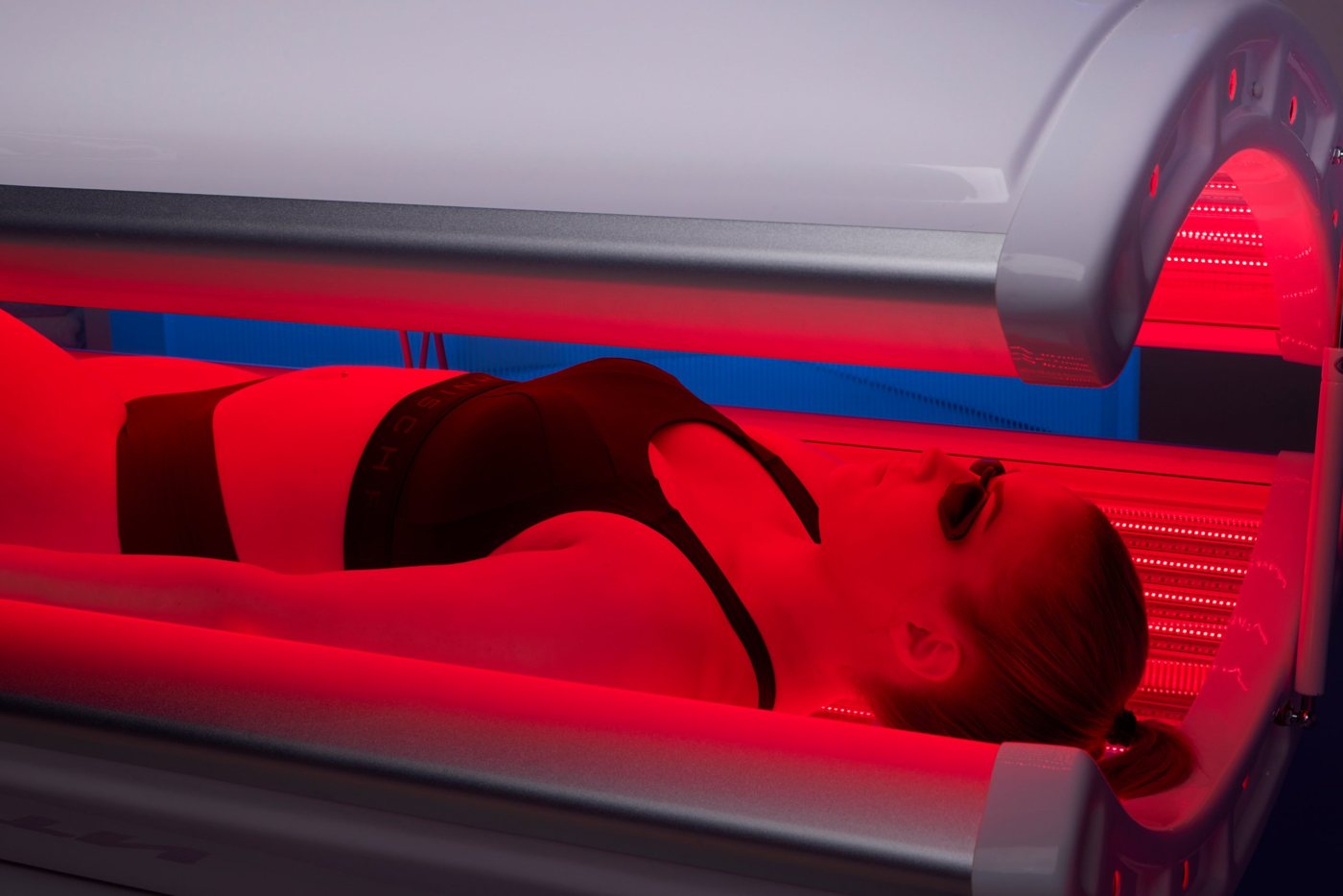
Red light therapy is often marketed with dramatic before-and-after claims - but real biological change doesn’t happen overnight.
Unlike stimulants or cosmetic cover-ups, red and near-infrared light therapy works by supporting cellular processes, which doesn't happen instantly.
This article explains what timelines are realistic, what changes people tend to notice first, and how to get the best results.
Why Red Light Therapy Isn't Instant
Red light therapy doesn’t force change - it supports it.
Its primary action is improving:
- Mitochondrial efficiency
- Cellular energy availability
- Tissue signalling
- Circulation
These changes accumulate gradually as cells respond to repeated exposure.
Early Effects: What Some People Notice First
Within the first 1–2 weeks, some people report:
- Improved sleep quality
- Reduced muscle stiffness
- Subtle pain reduction
- Improved sense of relaxation
These early effects are often related to nervous system and circulation changes, not structural tissue changes.
Short-Term Changes (3–6 Weeks)
With consistent use, people may notice:
- Improved skin tone and texture
- Faster post-exercise recovery
- Reduced joint discomfort
- Better tolerance to physical stress
These changes reflect improved cellular efficiency and tissue repair capacity.
Medium-Term Benefits (6–12 Weeks)
This is where red light therapy becomes more noticeable.
Common reports include:
- Improved skin resilience
- Reduced chronic aches
- Improved recovery consistency
- Greater overall physical comfort
These outcomes depend heavily on:
- Consistent sessions
- Correct wavelengths
- Adequate intensity
Long-Term Support (3+ Months)
Red light therapy shows its greatest value when used long-term.
Over time, it may support:
- Healthier ageing processes
- Reduced low-grade inflammation
- Better tissue maintenance
- Improved resilience to stress
These benefits are subtle - but meaningful.
Why Some People Don’t See Results
Lack of results is usually due to:
- Inconsistent use
- Inadequate light dose (often found in home use devices)
- Incorrect wavelengths (often found in home use devices)
- Unrealistic expectations
- Poor foundational health habits
Red light therapy cannot compensate for chronic sleep deprivation, poor nutrition, or unmanaged stress.
Clinical vs Home Use: Timeline Differences
Clinical-grade systems:
- Deliver higher-quality light
- Reach deeper tissues
- Produce more reliable results
Home devices may:
- Take longer to show effects
- Be limited to surface-level changes
- Require greater consistency
This explains why timelines vary so widely.
Final Thoughts
Red light therapy rewards patience.
It doesn’t deliver dramatic overnight change - but it supports steady, cumulative improvements in cellular health, recovery, and skin function.
When used consistently and correctly, red and near-infrared light therapy becomes a long-term investment in resilience, not a quick fix.
Book a red light session
Message us about what you are hoping to achieve and we will point you in the right direction.
Wed and Thu 09:00-19:00
Fri and Sat 09:00-16:00