Red Light Therapy Explained: How It Works at a Cellular Level
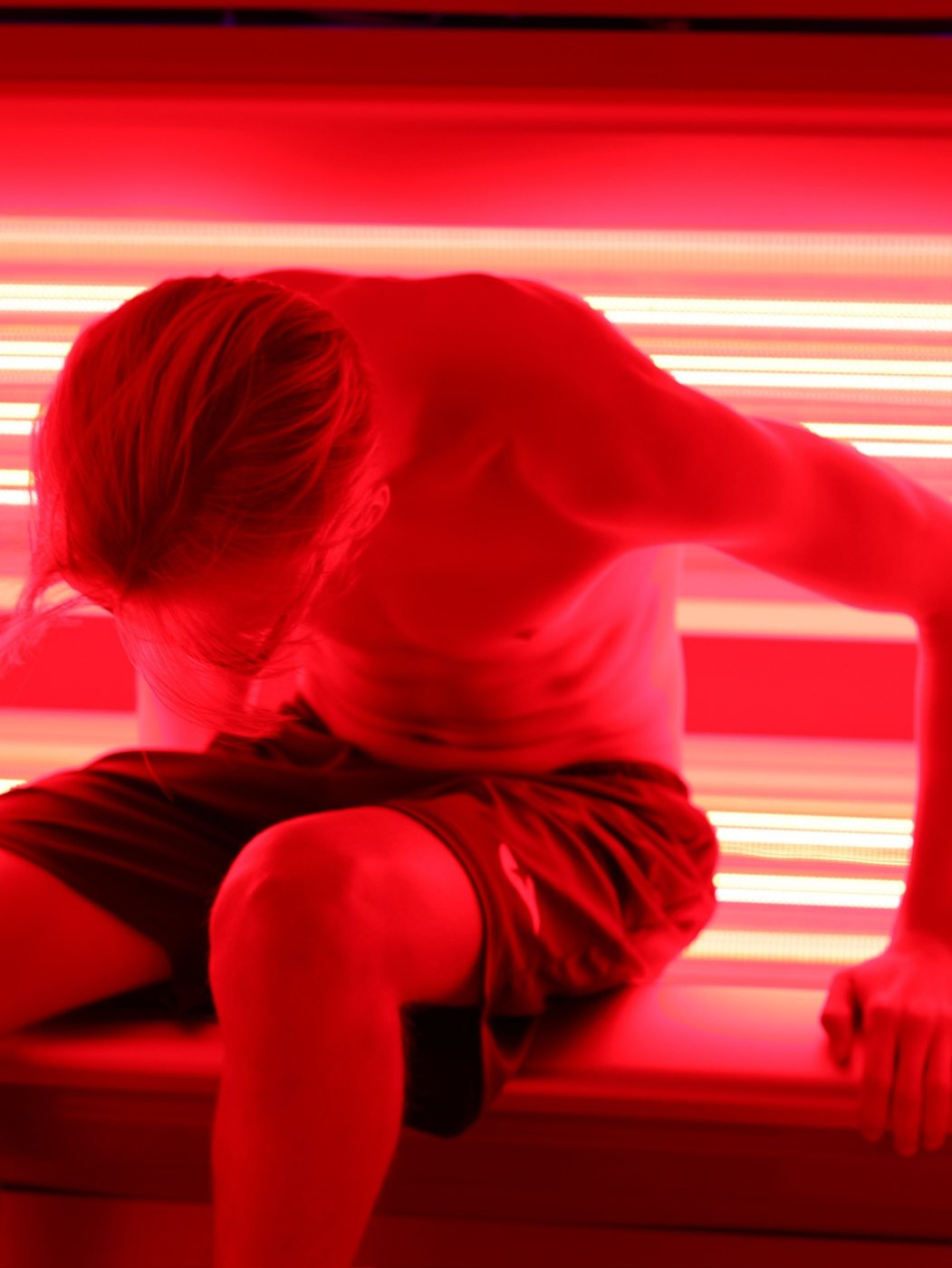
Red light therapy has moved from niche clinics into mainstream wellness - but most explanations stop at surface-level claims like “cell regeneration” or “healing light.”
The real story is far more interesting - and far more grounded in biology.
This article explains what red light therapy actually is, how it works inside your cells, and why it’s being used for skin health, recovery, pain management, and longevity support.
No buzzwords. Just mechanisms.
What Is Red Light Therapy?
Red light therapy (also known as photobiomodulation) involves exposing the body to specific wavelengths of red and near-infrared light.
These wavelengths typically fall within:
- Red light: ~620–660 nm
- Near-infrared (NIR) light: ~810–880 nm
Unlike UV light, these wavelengths are non-ionising and do not damage DNA or burn the skin.
Their role is not to heat tissue - but to signal biological processes at a cellular level.
Why Light Can Affect the Body at All
Human biology is deeply influenced by light.
At a basic level:
- Light regulates circadian rhythms
- Light influences hormone release
- Light interacts with cellular receptors
Red and near-infrared light go a step further by interacting directly with mitochondria - the energy centres of your cells.
The Mitochondria Connection
Mitochondria produce ATP (adenosine triphosphate) - the molecule your cells use for energy.
Red and near-infrared light are absorbed by an enzyme inside mitochondria called cytochrome c oxidase.
This interaction may:
- Improve mitochondrial efficiency
- Increase ATP production
- Reduce oxidative stress
- Improve cellular signalling
In simple terms, red light doesn’t “heal” cells - it helps cells work better.
Why Near-Infrared Light Goes Deeper
Red light primarily affects surface tissues, such as:
- Skin
- Shallow muscles
- Joints close to the surface
Near-infrared light penetrates deeper, reaching:
- Muscles
- Joints
- Connective tissue
- Nerves
This is why many modern systems use both wavelengths together - they work on different layers of the body.
What Red Light Therapy Actually Supports
Research suggests red and near-infrared light may support:
1. Cellular Energy Production
More efficient ATP production means cells can:
- Repair more effectively
- Function under stress
- Recover faster
This underpins many of the observed benefits.
2. Reduced Oxidative Stress
Red light exposure may help regulate reactive oxygen species, supporting a healthier cellular environment rather than eliminating oxidative processes entirely.
3. Tissue Repair & Recovery
Improved energy availability supports:
- Muscle recovery
- Joint comfort
- Soft tissue healing
This is why red light therapy is commonly used alongside training and rehabilitation.
4. Skin Health
At the skin level, red light may support:
- Collagen synthesis
- Blood flow
- Cellular turnover
This effect is biological - not cosmetic masking.
It’s important to be clear. Red light therapy:
- Is not a tanning treatment
- Does not burn fat
- Is not instant or permanent
- Does not override poor lifestyle habits
It works by supporting normal biological function, not replacing it.
Why Delivery Method Matters
Not all red light therapy is equal.
Effectiveness depends on:
- Correct wavelengths
- Adequate light intensity
- Proper exposure time
- Consistent use
Clinical-grade systems deliver measured, reliable doses - which is difficult to replicate with low-power consumer devices.
What a Session Feels Like
Most people experience:
- Gentle warmth
- No discomfort
- No recovery time
There is no “shock” response - red light therapy is subtle and enjoyable.
Final Thoughts
Red light therapy works because it aligns with how cells already function.
By supporting mitochondrial efficiency and cellular signalling, it helps the body:
- Recover more effectively
- Maintain tissue health
- Function with greater resilience
It’s not a shortcut - it’s a biological support tool.
When used consistently and correctly, red and near-infrared light therapy can be a powerful addition to a modern wellness strategy.
Book a red light session
Message us about what you are hoping to achieve and we will point you in the right direction.
Wed and Thu 09:00-19:00
Fri and Sat 09:00-16:00