Red vs Near-Infrared Light: What's the Difference?
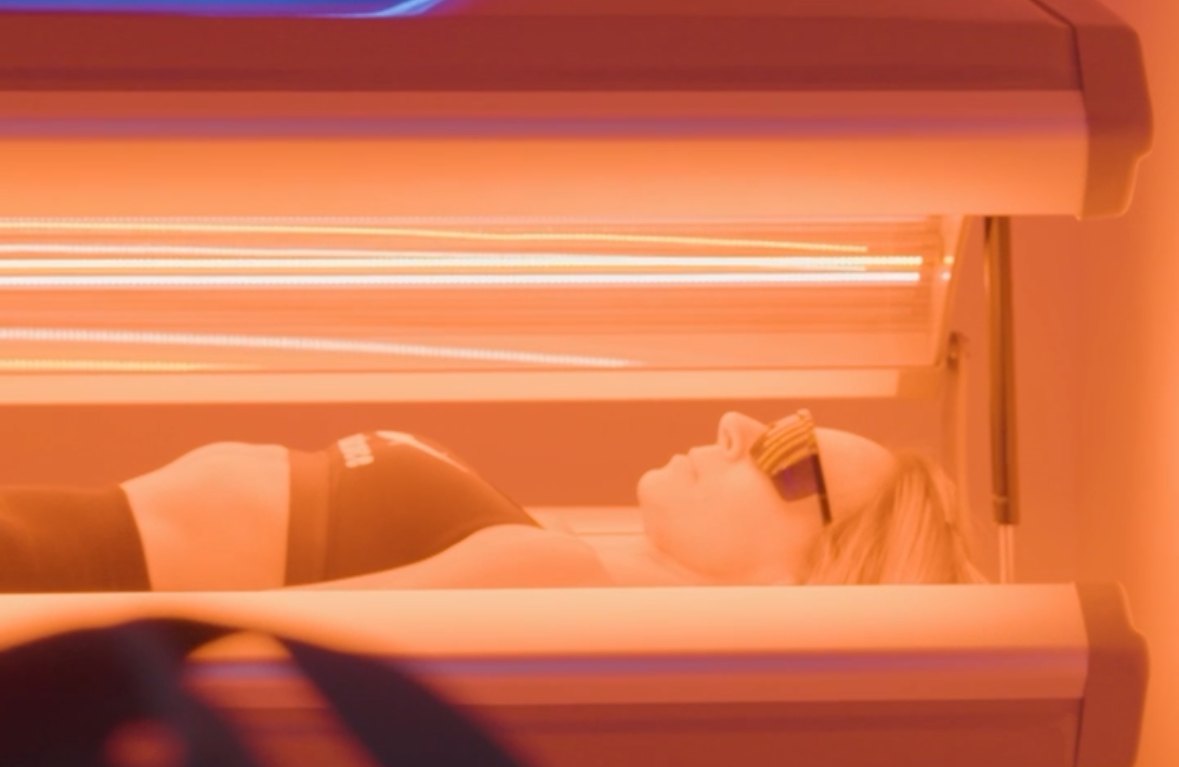
Red light therapy and near-infrared light therapy are often spoken about as if they’re the same thing.
They’re related - but they are not interchangeable.
Understanding the difference matters, because each wavelength interacts with the body in distinct ways, and choosing the right one depends on what you’re actually trying to support.
The Key Difference: Wavelength Determines Depth
The primary difference between red and near-infrared light is how deeply the light penetrates into the body.
- Red light: ~620–660 nm
- Near-infrared (NIR) light: ~810–880 nm
Longer wavelengths penetrate deeper into tissue, which is why near-infrared light reaches areas red light cannot.
How Red Light Works
Red light primarily affects surface-level tissues.
It is absorbed by:
- Skin cells
- Superficial blood vessels
- Shallow connective tissue
Red light is commonly used to support:
- Skin tone and texture
- Collagen production
- Superficial tissue repair
- Circulation near the skin
This is why red light therapy is often associated with skin health and cosmetic outcomes, although the mechanism is biological rather than aesthetic.
How Near-Infrared Light Works
Near-infrared light penetrates much deeper into the body.
It can reach:
- Muscles
- Joints
- Ligaments
- Nerves
- Deeper connective tissue
Near-infrared light is commonly used to support:
- Muscle recovery
- Joint comfort
- Nerve health
- Deeper tissue healing
NIR is often preferred when the goal extends beyond the surface.
Why Both Use the Same Cellular Pathways
Despite different depths, both red and near-infrared light interact with the same core cellular mechanism - mitochondrial stimulation.
Both wavelengths are absorbed by cytochrome c oxidase, supporting:
- ATP production
- Cellular signalling
- Reduced oxidative stress
The difference is not what they do - but where they do it.
Red vs Near-Infrared: A Practical Comparison
Choose Red Light If Your Goal Is:
- Skin health
- Fine lines and texture
- Superficial tissue support
- Circulation near the surface
Choose Near-Infrared If Your Goal Is:
- Muscle recovery
- Joint and tendon support
- Deeper tissue healing
- Neurological support
Why Many Systems Use Both Together
Modern clinical systems often combine red and near-infrared light because:
- Red supports surface tissues
- NIR supports deeper structures
- Together they provide full-spectrum tissue support
This combined approach is more efficient than choosing one wavelength alone.
What About At-Home Devices?
Many consumer devices:
- Use limited wavelengths
- Deliver low light intensity
- Struggle to reach therapeutic doses
- Focus on surface-level effects only
Clinical systems are designed to deliver consistent, measurable exposure, which is critical for deeper tissue effects.
What the Experience Feels Like
Both red and near-infrared light therapy are:
- Non-invasive
- Pain-free
- Heat-neutral or gently warming
- Easy to tolerate
The effects are subtle and build over time.
Final Thoughts
Red light and near-infrared light aren’t competitors - they’re complementary.
Understanding the difference allows you to:
- Match the therapy to your goal
- Avoid unrealistic expectations
- Get better results from consistent use
The most effective approach is often using both together, rather than choosing one blindly.
Book a red light session
Message us about what you are hoping to achieve and we will point you in the right direction.
Wed and Thu 09:00-19:00
Fri and Sat 09:00-16:00