Red Light Therapy for Skin Health, Recovery & Ageing
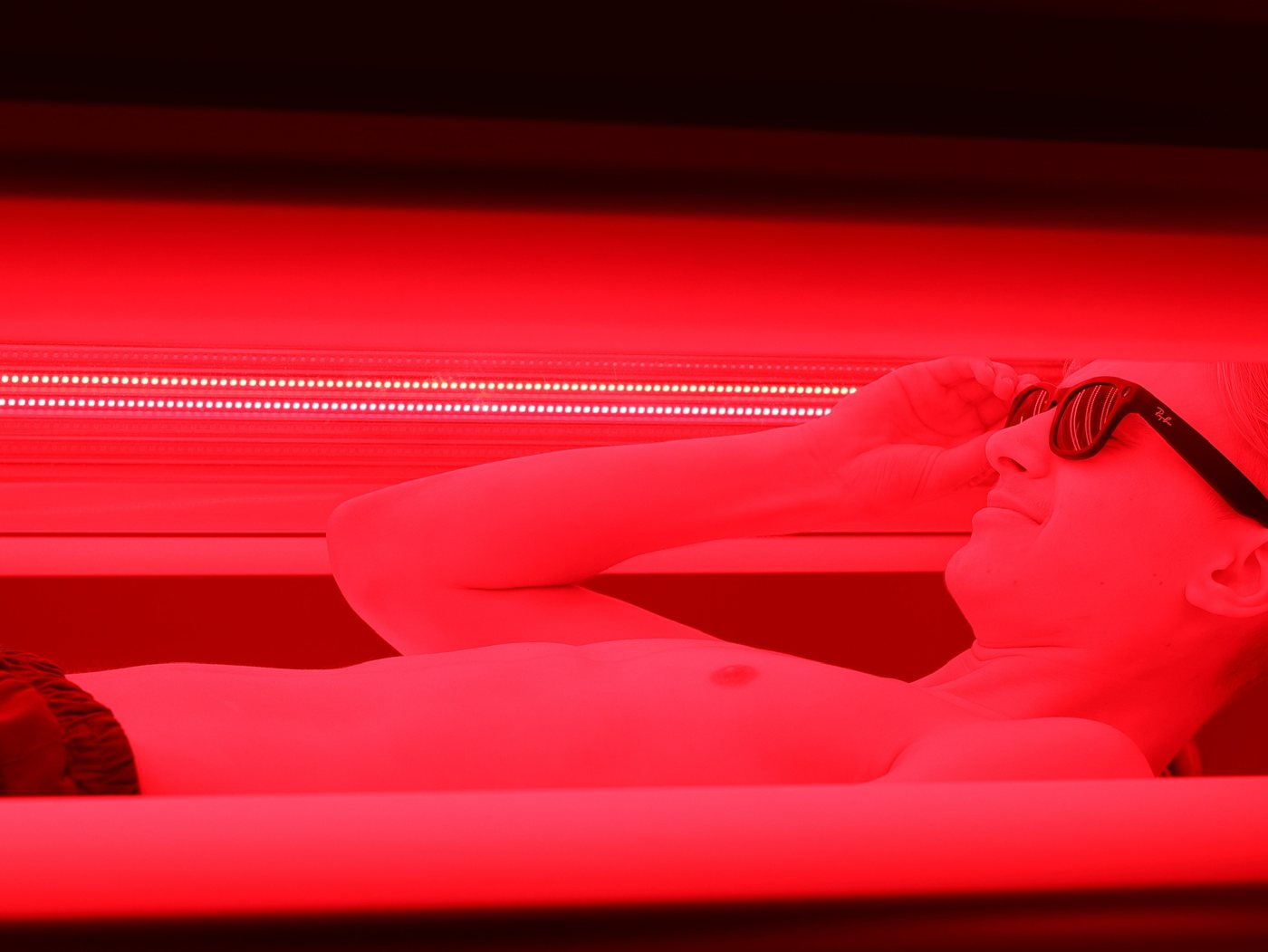
Red light therapy is often marketed as a cosmetic treatment - but that framing misses the point.
The real value of red and near-infrared light therapy lies in how it supports cellular function, which then shows up as healthier skin, better recovery, and improved resilience as we age.
This article explains how red light therapy supports these outcomes, and where expectations need to stay grounded.
Skin Health Starts at the Cellular Level
Healthy skin isn’t created by products - it’s created by cells that function well.
Red light therapy supports skin health by influencing:
- Mitochondrial energy production
- Blood flow and oxygen delivery
- Cellular turnover
- Collagen and elastin signalling
Rather than covering problems, red light therapy works by improving the environment skin cells operate in.
How Red Light Supports Skin Health
Red light primarily affects surface tissues, making it particularly relevant for skin.
Key mechanisms include:
- Increased ATP availability, supporting repair and renewal
- Improved circulation, delivering oxygen and nutrients
- Collagen synthesis signalling, helping maintain structure and firmness
- Reduced oxidative stress, supporting healthier ageing
Near-Infrared Light & Deeper Skin Support
Near-infrared light penetrates below the surface layers.
This allows it to support:
- Deeper connective tissue
- Blood vessels feeding the skin
- Nerve signalling related to skin function
- Inflammation regulation beneath the surface
For skin health, this deeper support is often overlooked - but crucial.
Red Light & Recovery
Recovery isn’t just about muscles.
Skin, connective tissue, and nerves also require energy to repair and adapt.
Red and near-infrared light may support recovery by:
- Improving mitochondrial efficiency
- Supporting tissue repair processes
- Reducing excessive inflammation
- Enhancing circulation
This is why red light therapy is often used alongside physical training and rehabilitation.
Red Light Therapy & Ageing: What It Can Realistically Do
Ageing is not something to “reverse.”
What red light therapy may help with is slowing functional decline by supporting cellular health.
Potential benefits include:
- Improved skin texture and resilience
- Better tissue repair capacity
- Reduced chronic low-grade inflammation
- Improved recovery from stressors
It’s important to stay realistic. Red light therapy:
- Does not stop ageing
- Does not replace skincare hygiene
- Does not eliminate wrinkles overnight
- Does not override poor sleep or nutrition
It supports biology - it doesn’t fight it.
Consistency Matters More Than Intensity
Red light therapy works through repeated exposure over time.
Better results come from:
- Regular sessions
- Appropriate light intensity
- Correct wavelengths
- Allowing time for adaptation
Why Clinical-Grade Delivery Matters
The benefits discussed here rely on:
- Accurate wavelengths
- Adequate power output
- Full-body or targeted coverage
- Repeatable dosing
Low-power devices may feel similar - but often fail to deliver sufficient exposure to deeper tissues.
Final Thoughts
Red light therapy isn’t just about appearance - it’s about function.
By supporting cellular energy production and tissue health, it can:
- Improve skin quality
- Support recovery
- Promote healthier ageing over time
When used consistently and correctly, red and near-infrared light therapy fits naturally into a long-term health strategy, not a quick-fix routine.
Book a red light session
Message us about what you are hoping to achieve and we will point you in the right direction.
Wed and Thu 09:00-19:00
Fri and Sat 09:00-16:00